How In-Office Displays Are Redefining Patient Experience
Educated Patients Are Empowered Patients
Patient education has always played a role in successful dental outcomes, but how it's delivered has evolved significantly. Today, dental practices, especially those with multiple locations and growing patient bases, are turning to in-office display technology to elevate the patient education and experience.
From high-definition monitors in operatories to interactive kiosks in waiting rooms, these tools are helping general dentists, pediatric specialists, and orthodontists communicate more clearly, build trust, and improve case acceptance across the board.
From Paper Pamphlets to Dynamic Displays
Traditionally, patient education relied on printed brochures and verbal explanations. While well-intentioned, these methods left much to interpretation. Visual learners, which includes the majority of patients, benefit from seeing explanations and procedures, not just hearing about them.
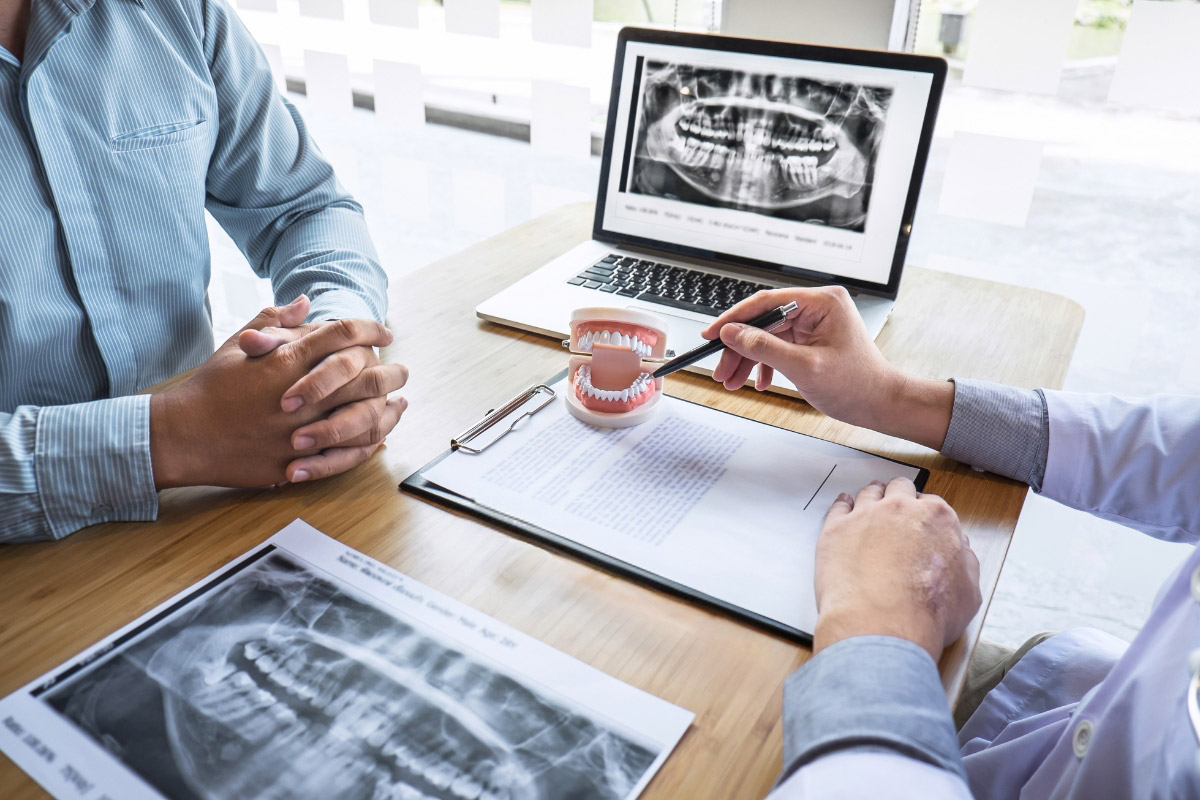
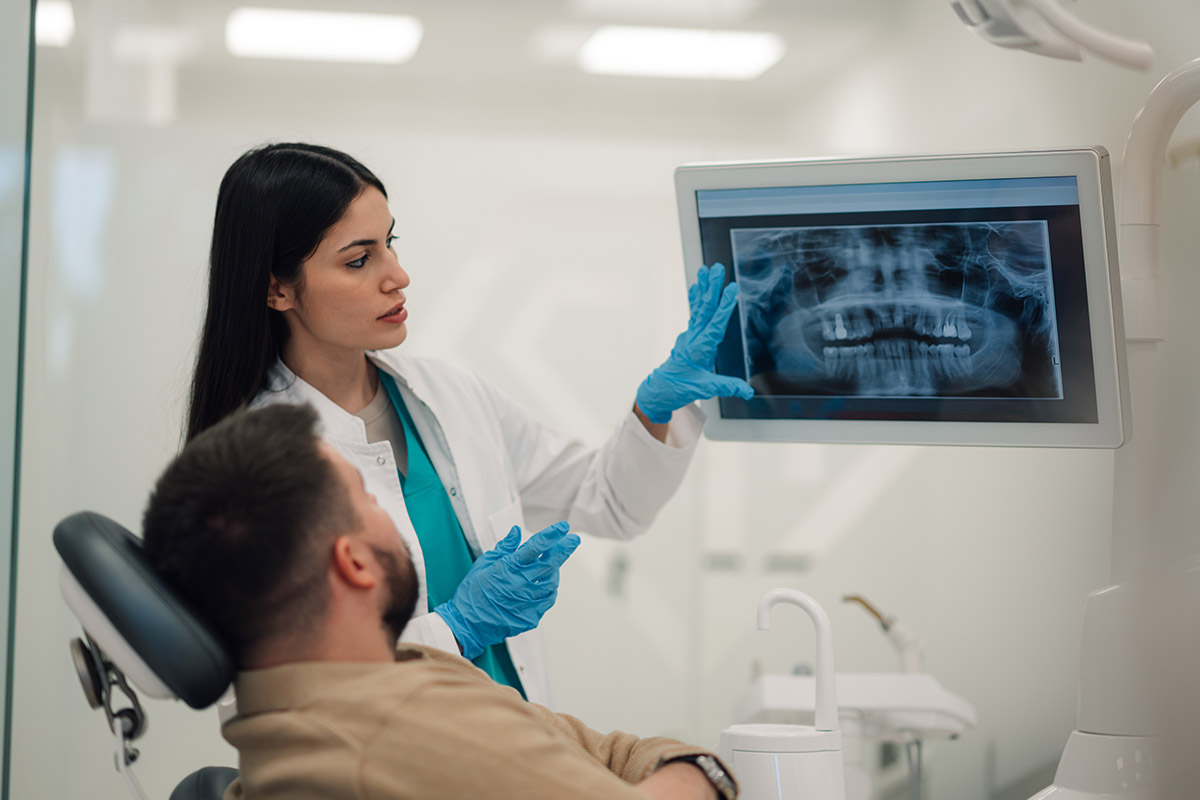
Dental practices now are incorporating chairside screens that display educational videos, 3D renderings of treatment plans, and live intraoral images. In pediatric offices, these displays can demystify tools and procedures for anxious young patients (and their anxious parents). And in ortho practices, they’re instrumental in showing how clear aligners or braces will impact alignment over time.
This shift from passive to visual engagement creates clarity for patients and provides a powerful visual aid for providers. With professional dynamic displays they can more effectively communicate their message and treatment recommendations in a way patients can more fully understand.
Why It Matters For General Practices
For general dentists managing a diverse patient base covering routine cleanings to more complex restorative procedures, having the ability to visually guide patients through diagnosis and treatment is a major advantage.
It improves communication, especially in offices with multiple providers or locations. It reduces misunderstandings and increases patient buy-in. Instead of “just trust us,” the message becomes, “Here’s exactly what’s happening and why it matters.”
When used strategically, in-office displays can:
• Boost treatment acceptance
• Shorten consultation times
• Support hygiene teams with visual tools
• Ease patient apprehension and reduce questions
• Increase recall and retention through better understanding
These tools don’t just benefit the practice. They significantly improve the patient experience. When patients can see the problem and the solution side-by-side, anxiety decreases and confidence rises. Educational displays help patients feel more in control of their health decisions and reinforce that the practice is investing in both transparency and quality care. Whether it’s a first-time visit or a multi-step treatment plan, patients walk away feeling more informed, reassured, and valued.
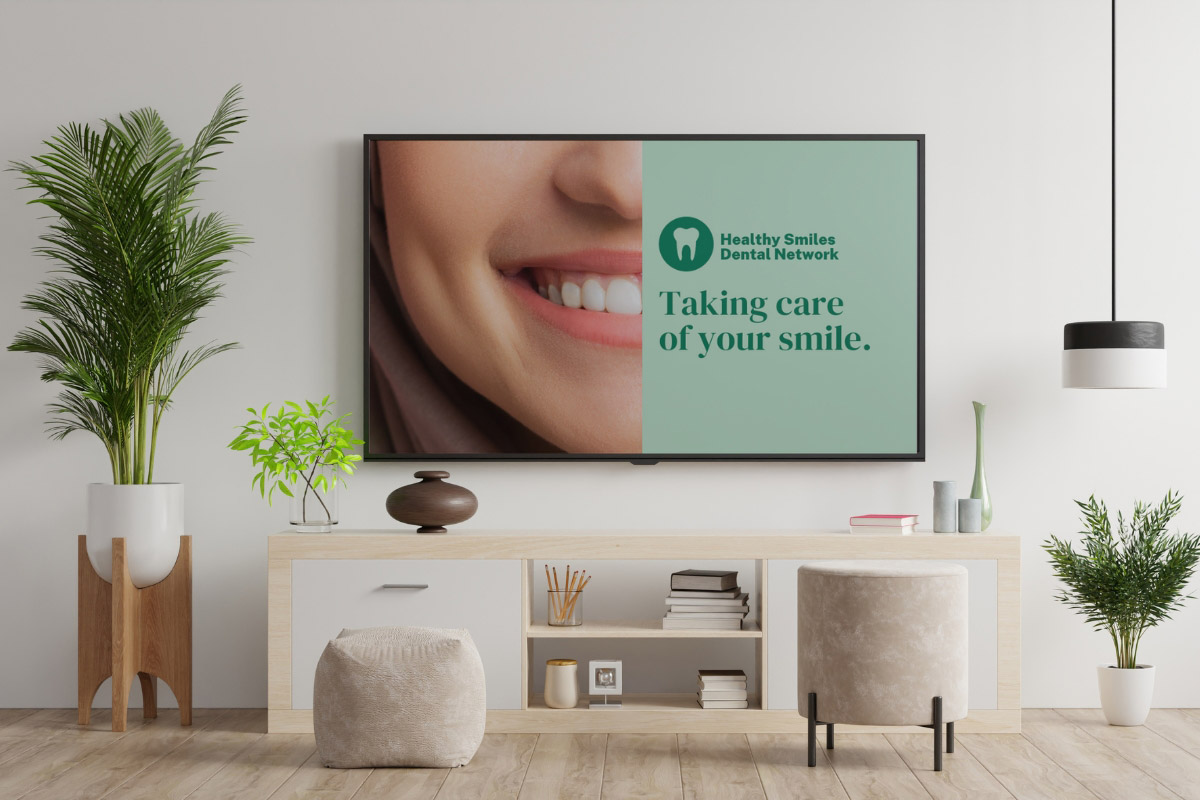
While the operatory is where most of the clinical education happens, waiting rooms shouldn’t be overlooked. Patient education displays in these spaces offer a subtle but valuable opportunity to engage patients before their appointment begins. Instead of scrolling through phones or sitting idly, patients are introduced to helpful information from preventive care tips to overviews of available treatments. It’s a small touch, but one that reinforces professionalism, builds trust, and positions your practice as both informative and patient-focused from the moment they walk in.
Supporting Multi-Specialty Practices with Scalable Tools
For DSOs and MSOs operating in multiple regions and managing a mix of general, pediatric, and specialty care, patient education displays offer a valuable opportunity: standardization.
Custom-branded content can be distributed across all locations, ensuring that every patient, no matter the office, receives the same high-quality information. This reinforces brand consistency, streamlines staff training, and supports a cohesive clinical philosophy.
In pediatric offices, calming animations and step-by-step explainers prepare young patients for what to expect. In ortho clinics, treatment simulations help patients visualize their smile transformation. In general practices, these displays can do everything from explain scaling and root planing to highlight the benefits of fluoride.
Implementation: More Than Just a Screen
Integrating patient education displays involves more than mounting a TV to a wall. Practices must consider:
• The type of content (animations, slides, videos)
• The software platform used to manage and update content
• Strategic placement for maximum visibility and impact
• Patient privacy (particularly in open-bay ortho or pediatric environments)
Additionally, the reliability and performance of these systems depend on having the right technology infrastructure behind them.
Education Displays Rely on Strong IT Foundations
As DSOs and multi-location dental groups adopt more patient-centric technology, their IT needs become more complex. Displays need to stream content, access patient data, and sync across locations, all without delay or failure. That requires dependable network cabling, well-designed system architecture, and seamless device integration.
If your organization is scaling and considering display-based patient education tools, make sure your IT foundation can support them. MellinTech partners with dental groups to design and implement infrastructure that enables these technologies to perform exactly as intended: reliably, securely, and at scale.
Let’s talk about how to future-proof your network for your patient engagement strategy.