Managing IT for a single office is maintenance. Managing IT for three hundred locations is logistics.
For the CIO or CTO of a multi-location organization, whether you oversee dental practices, veterinary clinics, childcare centers, or physical therapy offices, the challenge is rarely the technology itself. You know what hardware you need. You know your network architecture. The challenge is the physical execution of that architecture across a sprawling geographic footprint.
You likely have a lean central IT team responsible for strategy, security, and standards. You do not have the headcount to fly an engineer to a remote site for a structured cabling job or a server rack installation. This creates a reliance on field services. However, relying on a fragmented patchwork of local vendors often leads to chaos: inconsistent cabling standards, missing equipment, and projects that drag on weeks past their deadline.
To scale effectively, especially during aggressive M&A cycles or DeNovo builds, technology leaders must shift their mindset regarding on-site execution. Success relies on three pillars: unified coverage, standardized quality, and rigorous chain of custody.
Planning a major rollout with a lean IT team? MellinTech provides the flex capacity to handle complex field logistics without burning out your internal team.
1. True Coverage: More Than Just a Dot on a Map
When we discuss "coverage" in the context of nationwide IT field services, most people think strictly about geography. Do you have a technician in Des Moines? Can you get someone to a clinic in rural Oregon?
While geographic reach is the baseline, true coverage for an enterprise-level rollout requires coordination. If you are managing a conversion of twenty newly acquired sites in a single month, finding twenty individual local providers is a logistical nightmare. It turns your highly paid internal IT managers into dispatchers, spending their days vetting insurance certificates and negotiating hourly rates with strangers.

The Program-Based Approach
Effective coverage means having a partner that offers "flex capacity." This is the model we utilize at MellinTech. We act as an extension of your central team. You provide the schedule and the standards, and the partner handles the logistics of the field force.
This approach ensures that "coverage" includes:
Capacity Planning: The ability to scale up labor for a massive rollout and scale down when the project stabilizes.
Single Point of Contact: You shouldn't be chasing technicians. You should be speaking to a project manager who is chasing the technicians for you.
Skill Matching: Sending a Level 1 tech to reset a router is fine, but you need a Level 3 lead tech for a full server migration. True coverage ensures the right skill set arrives at the right site.
2. Quality Control: The Power of the Closeout Package
The bane of any multi-site IT director's existence is variance.
In a standardized environment, every network closet should look identical. Port 1 should always go to the primary WAP. The firewall should always be mounted at the top of the rack. Color-coded patch cables should match your documentation.
When you rely on unmanaged field services, you get variance. One site is pristine; the next looks like a "spaghetti closet" where troubleshooting becomes impossible because nothing is labeled.

Standardization Through Playbooks
To ensure quality at scale, you must move beyond verbal instructions. You need a rigorous "Playbook." At MellinTech, we find that the difference between a successful rollout and a failed one often comes down to documentation before the truck ever rolls.
A robust quality assurance process includes:
The Scope of Work: extremely detailed instructions that leave nothing to interpretation.
Visual Standards: providing photos of exactly what "good" looks like.
The Closeout Package: This is non-negotiable. The technician cannot leave the site until they have uploaded photos of the rack, the cabling, the device serial numbers, and the clean work area.
By enforcing a visual closeout process, your central IT team can virtually "inspect" the work from headquarters before signing off. This ensures that the site in Florida looks exactly like the site in Washington, making future troubleshooting significantly easier.
3. Chain of Custody: The Hidden Risk is IT Assests
If you are opening one new location, you can probably track the hardware in a spreadsheet. If you are opening fifty locations this year while closing ten underperforming ones, asset tracking becomes a massive liability. existence is variance.
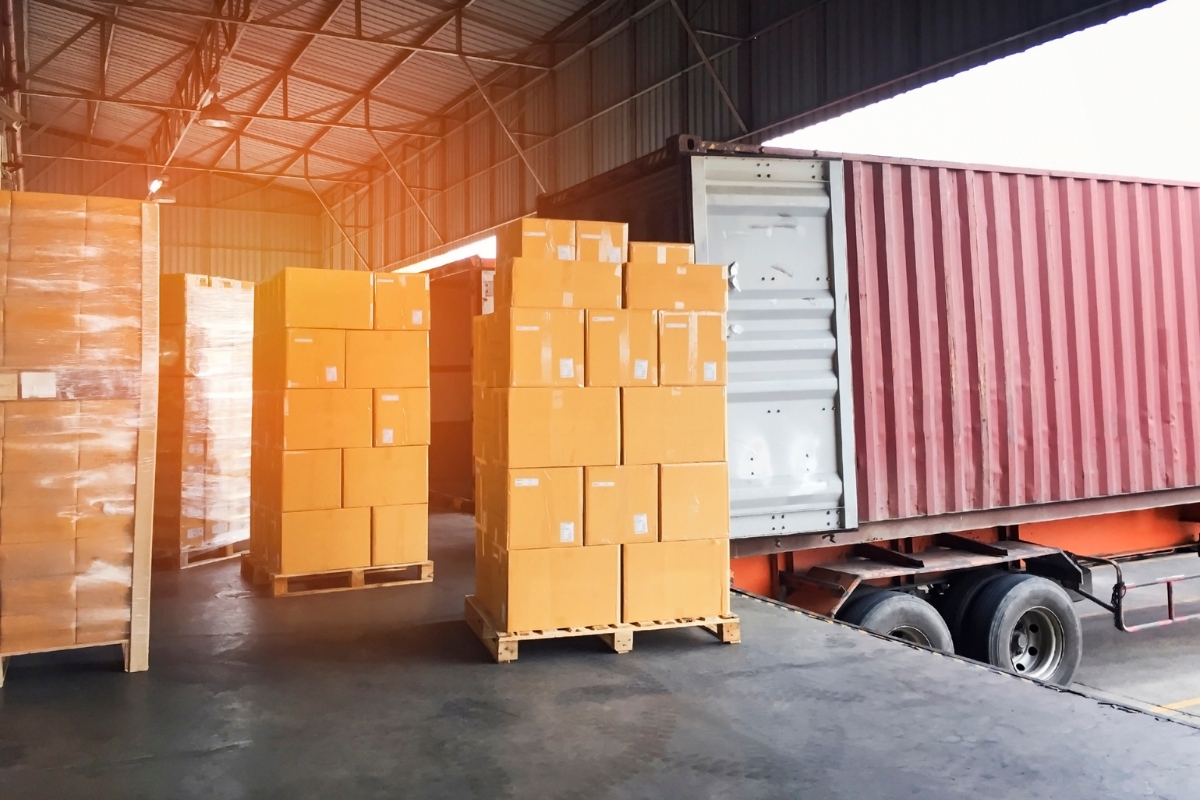
We see this frequently in M&A scenarios. A company acquires a group of clinics and orders a hardware refresh. Pallets of expensive firewalls, switches, and access points are shipped to the sites. Who received them? Are they locked in a manager's office or sitting on a loading dock?
Protecting the Investment
Chain of custody is the process of tracking that asset from the moment it leaves the warehouse to the moment it is bolted into the rack or removed from it.
For multi-location IT rollouts, chain of custody involves:
Staging and Kitting: Configuring devices at a central depot before shipping them reduces DOA (Dead on Arrival) risks and on-site labor time
Proof of Delivery: Verifying who signed for the gear at the site
Asset Tagging: Documenting serial numbers and mapping them to the specific location in your asset management system
Reverse Logistics: This is critical during closures or upgrades. When old gear is pulled, it must be counted, packed, and shipped back for secure disposal or wiping.
Without a strict chain of custody, equipment "drifts." You end up paying for licenses on firewalls that are sitting in a closet, or worse, you face security risks from unrecovered hard drives containing sensitive data.
The MellinTech Approach: Your Field Services Partner
Growing organizations often reach a breaking point. Your internal team is excellent at strategy and systems administration, but they are drowning in the noise of deployment logistics.
MellinTech fills that gap. We are not a generic help desk; we are specialists in the physical layer of IT growth. Whether you are executing a DeNovo build, managing a complex acquisition, or standardizing structured cabling across existing locations, we provide the boots on the ground and the project management overhead to ensure it gets done right.
We understand that for a CIO, the goal isn't just to get the cables run. The goal is to have the site revenue-ready on Day One, with documentation that makes day-to-day operations seamless.
Ready to Scale Your IT Operations?
If you are planning a multi-site rollout, M&A integration, or infrastructure upgrade, you need a partner who understands the logistics of scale.
Let’s discuss your upcoming projects and how we can ensure your field execution is as reliable as your strategy.